What Exactly Are Modern Wagering Platforms and How Do They Operate?
Find the Best Gambling Sites for Real Money in 2025 — Top Rated & Trusted
Did you know that some gambling sites let you spin a slot or place a bet within seconds of signing up, right from your couch? These platforms are essentially digital casinos where you pick a game, stake real money, and get instant results. The main perk is convenience—you get bonuses and free spins just for joining, which boosts your starting bankroll without extra cost. To use one, you simply deposit funds, pick a table or slot, and cash out winnings straight to your wallet.
What Exactly Are Modern Wagering Platforms and How Do They Operate?
Modern wagering platforms are digital interfaces that let users place bets on events through a web browser or dedicated mobile app. They operate by connecting a user’s deposited funds to a real-time odds engine, which calculates potential payouts based on algorithmic probability. When you place a wager, the platform deducts the stake instantly and creates a digital contract or bet slip, which is stored on their servers. Settlement happens automatically once the outcome is determined, with winnings credited to your balance minus a built-in margin (the house edge). Behind the scenes, these sites use random number generators for casino games or live data feeds for sports, ensuring each bet is resolved fairly. The entire process relies on secure payment gateways for deposits and withdrawals, and a user dashboard tracks your transaction history and open bets. Ultimately, modern wagering platforms function as fully automated, self-service bookmakers, eliminating the need for human cashiers while delivering instant betting operations around the clock.
Understanding the Core Mechanics Behind Online Betting Portals
Getting a handle on understanding the core mechanics behind online betting portals really boils down to seeing them as instant matchmakers. When you place a wager, the site isn’t taking the other side of your bet; instead, it aggregates odds from multiple sources and layers on a small margin, called the «vig,» to guarantee its own profit. You’re essentially betting against a constantly updating algorithm that balances action on both sides of an event. The portal’s engine then calculates your potential payout in real-time, locking in the odds at the exact second you confirm. Behind the scenes, a random number generator (RNG) handles any virtual games, ensuring every spin or card deal is independent and unpredictable, which is the real guts of how these systems operate.
Key Differences Between Real-Money Casinos and Practice-Mode Hubs
The core divide between real-money casinos and practice-mode hubs is the presence of financial stakes. In a real-money casino, every spin or hand directly impacts your bankroll, triggering psychological pressure and requiring strict bankroll management to survive variance. Practice-mode hubs, by contrast, remove that risk entirely, allowing you to test strategies without consequence. This fundamental shift alters gameplay pace; real-money tables feature slower, more cautious decision-making, while free-play lobbies encourage aggressive experimentation. Furthermore, real-money platforms offer tangible rewards like cashouts and comp points, whereas practice hubs only generate fake credits that reset upon exit. To sharpen your edge before risking capital, always use free-play hubs for strategy calibration, but transition to real-money sessions to master emotional control.
- Real-money wins and losses affect your actual balance; practice credits hold zero cash value.
- Betting limits and game speeds are typically higher in practice mode due to absent risk.
- Real-money casinos provide best crypto casinos withdrawal options and loyalty rewards, which practice hubs never do.
How to Pick a Reliable Betting Portal That Suits Your Style
You know that feeling when you open a portal and the layout just *clicks*—everything where you expect it. That’s your first filter. Your betting style dictates the portal’s core architecture: if you’re a live-bettor, test how fast odds refresh during a mid-game swing on your phone; if you prefer pre-match research, check whether player stats are one click or buried three menus deep. Watch the cashier, not the bonuses. A portal that forces KYC before letting you withdraw a small win, or hides pending bets behind vague “settlement” notices, will poison your rhythm. Also, mimic your own habits: set a pretend bankroll, place a few small real bets across different sports, and see if the interface holds up under pressure—lag, misclicks, or confusing bet slips are dealbreakers.
The portal that fades into the background, letting you think only about the game, is the one that truly suits your style.
If you feel friction on day one, you’ll feel it on day hundred—so trust that gut pull toward simplicity.
Evaluating Game Libraries: From Slots to Live Dealer Tables
When evaluating game libraries, start by filtering slots for provider diversity, RTP transparency, and volatility filters, not just sheer counts. A reliable portal should let you sort by mechanics like cluster pays or megaways, ensuring the library matches your preferred risk level. For live dealer tables, check the actual table limits and stream quality across peak hours—a blurry feed or capped bets undermines the experience. The absence of a “save favorite games” feature often indicates a weaker lobby architecture, which can slow your session flow. Test the search function: does it surface specific blackjack variants or only generic categories? Practical game-library evaluation means prioritizing functional depth over promotional banners.
Q: How do I verify a live dealer library’s reliability before depositing?
A: Open the tables’ “info” tab to check bet ranges, RNG certification, and whether the studio offers multiple camera angles. Also, toggle between peak and off-peak hours to confirm stable latency and dealer staffing.
Payment Methods and Withdrawal Speeds That Actually Matter
Withdrawal speed is the true test of a betting site’s reliability, so prioritize portals offering e-wallets (Skrill, Neteller) or cryptocurrencies, as these typically clear within minutes to a few hours, versus bank transfers that drag for 3–5 business days. Before depositing, verify the minimum and maximum cash-out limits align with your stake size, and check if the platform processes requests 24/7 or only on weekdays, since weekend delays are a common hidden friction. Also, confirm whether the same payment method you use for deposits is honored for withdrawals—otherwise, you face forced reversals or extra verification cycles. Fast payout betting platforms always display their processing times upfront, so avoid any site that hides this data behind a support ticket. Q: What is the fastest withdrawal method on most gambling sites? A: Cryptocurrency and e-wallets, both typically settling within 24 hours, while cards and bank transfers remain the slowest practical options.
Step-by-Step Guide to Setting Up Your Account and Claiming Bonuses

Begin by selecting a licensed gambling site and clicking its registration button, then complete the form with accurate personal details and a valid email. After verifying your account via the confirmation link, navigate to the promotions or cashier section to view eligible offers. For a standard deposit bonus, enter the provided bonus code during your first deposit, ensuring you meet the minimum amount and wagering requirements listed. Claiming free spins or no-deposit bonuses often requires opting in through your account dashboard. Always read the terms for wagering contributions and game restrictions before claiming. Set a deposit limit immediately to manage your bankroll responsibly. Bonus validity periods are shorter than most players expect, so prioritize using them within the stated timeframe. Finally, track your bonus progress in the “My Bonuses” section to avoid forfeiting unfulfilled wagering.
Navigating Registration, Verification, and First Deposits
When you land on a gambling site, the registration form is usually a quick hurdle—pick a username, enter your email, and set a strong password. After that, expect a verification step where you’ll upload an ID or proof of address; this can take a few hours, so don’t panic if your account isn’t instantly active. For your first deposit, head to the cashier, choose a payment method, and always double-check the minimum amount needed to unlock a welcome bonus. Remember, some bonuses require a promo code or a specific deposit size, so read the terms first. Once your cash hits the balance, you’re ready to play.
Mastering registration, verification, and your first deposit is the gateway to a smooth start and a valid bonus claim.
Decoding Welcome Offers, Free Spins, and Cashback Deals
Welcome offers often mask their true cost behind wagering requirements, so divide the bonus amount by the playthrough multiplier to see the real turnover needed. Free spins usually cap winnings, meaning any profit above a set threshold is forfeited unless you meet the attached wagering conditions first. Cashback deals appear generous, but check whether they apply to net losses or only deposits, and confirm if the rebate is paid as withdrawable cash or bonus funds with its own restrictions. Prioritize bonus terms that exclude high-volatility games from contribution calculations, as these can silently drain your balance before release.

- Compare effective bonus value: (bonus + deposit) ÷ wagering requirement × house edge.
- Verify free spin win caps and whether they count toward playthrough.
- Check cashback expiry windows and maximum rebate limits.
What Features Make a Wagering Site Stand Out for Daily Use?
For daily use, a gambling site stands out when its live betting interface reloads odds instantly without freezing, letting you jump between markets mid-game. Quick-stake shortcuts—like doubling your last wager with one tap—save precious seconds, while customizable bet slip layouts let you pin favorite leagues for tomorrow’s fixtures. A robust in-play cash-out button that stays visible during high-speed action prevents missed exits. Daily players also need session history filters to spot winning patterns, plus a fast-login biometric option for repeated visits. Avoid sites where the main lobby lags; smooth navigation between sports, virtuals, and live casino tabs is what separates a usable platform from a frustrating one. Finally, a dashboard showing today’s bonus streaks or reload offers, updated automatically, keeps the routine engaging.
Mobile Compatibility vs. Dedicated Apps: Which Works Better?
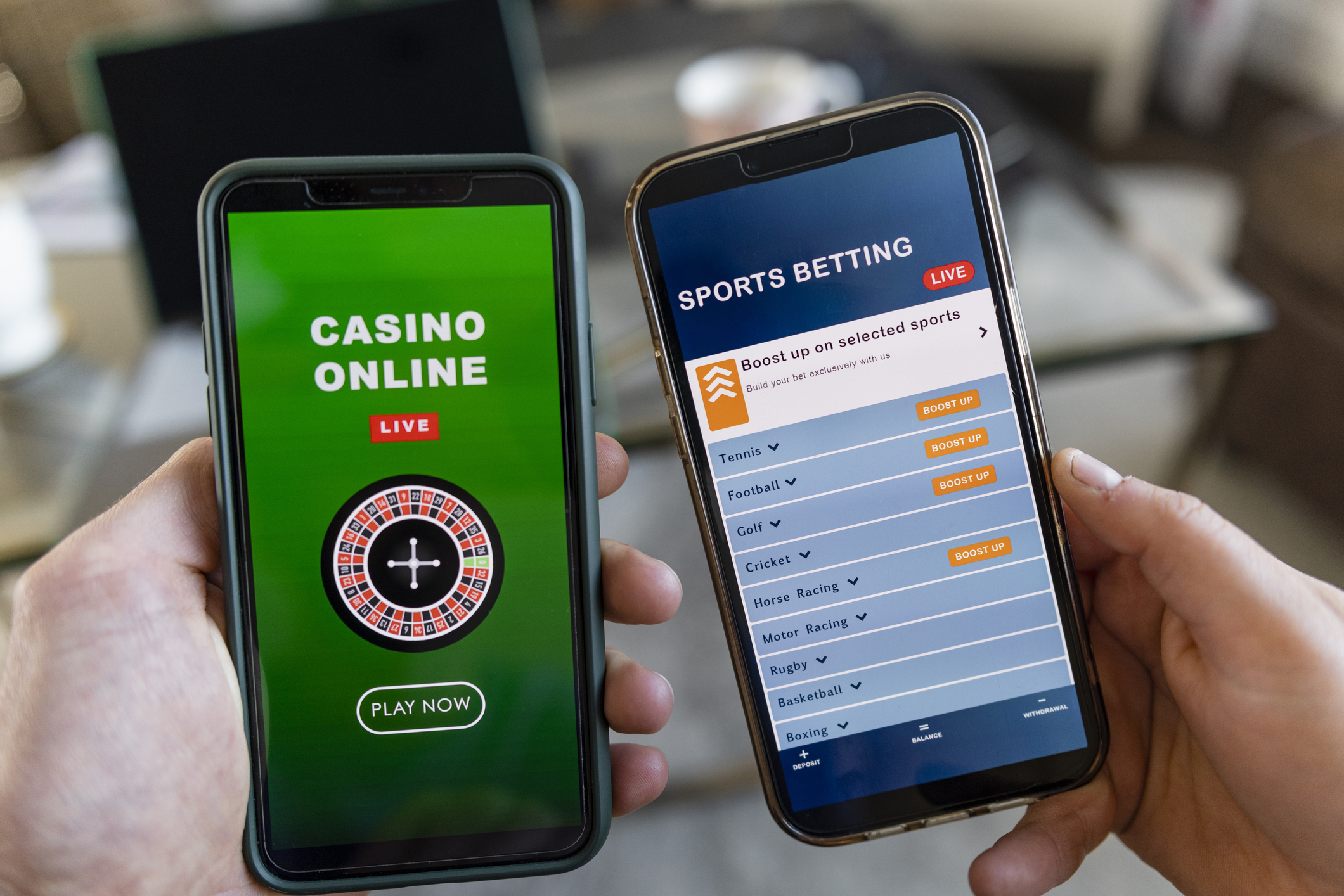
For daily use, mobile compatibility versus dedicated apps hinges on how you prioritize instant access over deep functionality. Browser-based play offers zero installation friction, saving storage space and working across any device, while dedicated apps often deliver smoother animations and faster load times after the initial download. A responsive mobile site adapts to any screen size, but apps can cache data for offline browsing, though this is rarely critical for live wagering. *The best choice depends on whether you value flexibility over raw performance in a single environment.* A hybrid approach—using the site for quick checks and the app for longer sessions—often maximizes convenience. Consider these practical differences:
- Mobile sites need no updates, while apps require periodic downloads to fix bugs.
- Apps can send push notifications for bet confirmations, which browser tabs cannot reliably do.
- Mobile compatibility suffers on weak networks, but apps may preload assets for steadier use.

Live Betting, Quick Bets, and In-Play Statistics Tools
For daily bettors, live betting and in-play statistics tools transform a static wager into a reactive strategy. Quick bets—one-tap stakes on fluctuating odds—let you lock in momentum shifts before the market adjusts, while a robust in-play dashboard delivers real-time possession, shot maps, or serve speeds, updating every few seconds. The best sites overlay these stats directly on the live bet slip, so you don’t toggle tabs. A lagging feed or delayed odds update kills the edge, so prioritize platforms with sub-second refreshes. Q: Which in-play stat matters most for quick bets? A: The one tied to your market—for totals, track shot accuracy; for next-point winners, monitor serve percentages.
Smart Money Management Tips for Regular Players
For regular players on gambling sites, treat your bankroll as a fixed monthly bill, not a variable fund. Set a strict deposit limit before you log in, and divide your bankroll into smaller session stakes to prevent one bad streak from wiping you out. Always use the site’s built-in responsible gaming tools to enforce cooling-off periods after losses, and never chase a deficit by raising your bet size. Cap your winnings too—cash out a fixed percentage (e.g., 30%) of any profit immediately, keeping only the remainder for continued play. Track every transaction in a separate ledger, and review your history weekly to identify patterns of overspending. Finally, set a time limit for each session and stick to it; discipline with both time and money is the only edge you control on any platform.
Setting Deposit Limits, Loss Caps, and Session Timers
Setting a deposit limit, loss cap, and session timer before you start playing is the easiest way to keep your bankroll in check on any gambling site. Think of these tools as your personal guardrails — a deposit limit locks how much you can add in a day or week, while a loss cap stops you from chasing bigger losses by cutting you off at a set amount. A session timer, meanwhile, reminds you to step away after an hour or two, so you don’t lose track of time. Together, they turn “I’ll stop soon” into a guaranteed break. Most sites let you tweak these in settings, and lowering them anytime is instant — but raising them often takes 24 hours, which gives you a cooling-off period to rethink.
Bankroll Strategies: Flat Betting, Percentage Stakes, and Stop-Loss Rules
Bankroll strategies separate disciplined players from reckless ones. Flat betting means wagering the same fixed amount every round, shielding you from emotional spikes. Percentage stakes, typically 1–5% of your current bankroll, scale bets with wins and losses, preserving funds during slumps. Stop-loss rules are non-negotiable: set a daily loss cap (e.g., 20% of your bankroll) and walk away the moment you hit it. On gambling sites, these three tactics work best in combination—flat betting for consistency, percentage stakes for growth, and stop-losses to prevent catastrophic drawdowns. Implement all three before your next session; otherwise, variance will dictate your balance.
| Strategy | Core Rule | Best Use Case |
|---|---|---|
| Flat Betting | Same stake per wager | Low volatility, long sessions |
| Percentage Stakes | Bet a fixed % of bankroll | Growing or shrinking balances |
| Stop-Loss Rules | Exit at a pre-set loss limit | High-risk games, tilt prevention |
Common Pitfalls When Joining a Betting Site and How to Avoid Them
When joining a betting site, the most common pitfall is rushing to deposit before verifying your identity, which leads to frozen withdrawals; always complete KYC checks immediately to avoid locked funds. Another frequent error is ignoring the bonus terms, especially wagering requirements—if you don’t read them, you’ll lose your bonus and winnings. Avoid using public Wi-Fi for transactions, as account security is easily compromised; instead, use a private VPN and two-factor authentication. Finally, many users fail to set deposit limits, then chase losses impulsively—activate responsible gambling tools before playing, and you’ll prevent financial regret. Stick to one verified site, test its customer support with a small bet, and you sidestep most traps.
Hidden Wagering Requirements and Sticky Bonus Conditions
Hidden wagering requirements often lurk in the fine print, turning a “generous” bonus into a financial trap. Unlike standard playthroughs, these sticky bonus conditions may demand 50x–80x wagers on slots only, or exclude all low-edge games, silently draining your deposit before you can cash out. Always calculate the effective cost: if a $100 bonus requires $6,000 in bets with a 5% house edge, you’re expected to lose $300—three times the bonus value. Choose sites that publish full terms upfront, and avoid any offer where the rollover exceeds your bankroll plan. A sticky bonus also locks your deposit until conditions are met, so withdrawal becomes impossible mid-play. Sticky bonus conditions are the #1 reason bonuses expire worthless. Always audit the wagering terms before accepting any bonus.
Q: How do I spot hidden wagering requirements?
A: Look for the “playthrough” multiplier in the bonus terms—if it’s above 35x, or applies only to high-house-edge games, treat it as sticky. Never assume the bonus cash is withdrawable; verify the exact conditions in the “Terms & Conditions” tab, not the promo banner.
Why Game Contribution Percentages Alter Your Cashout Timeline
When a wagering requirement is active, game contribution percentages directly determine how quickly your bonus funds convert into withdrawable cash. Slots often contribute 100%, meaning every dollar wagered counts fully toward the required turnover, whereas table games like blackjack or roulette might contribute only 10% or 20%. If you play a 10% game, you must wager ten times more to clear the same requirement, effectively stretching your cashout timeline from days into weeks. This delay stems purely from the mathematical mismatch between your chosen game’s weight and the total rollover target. To avoid this pitfall, check the contribution table before playing; selecting high-contribution games accelerates the cashout timeline for bonus funds, while low-contribution games lock your balance longer in a cycle of repeated bets.